3 December 2009
Second Task - Thriller Opening
Our second, and main, task was to create the opening to a Thriller lasting xxx. In reality, we were given a free reign over genres to use but as a group we quickly decided that a thriller was the best genre to use to exploit a number of techniques and skills in the relatively short time allowed. However, given more time in which to experiment in than the continuity piece, we were confident of producing a quality piece to the best of our abilities.

1 December 2009
Continuity Piece - Final Piece and Evaluation
The storyline chosen, while perhaps not as good as it could have been, allowed us much room to experiment with different techniques and forced us to adapt to situations as they arose - all good experiences to help us with our final piece. It allowed us to experiment with a number of different camera shots - from angles used and how to use them, to movement. The camera shots, I felt, worked well despite the simplicity of the piece and gave us ample experience to work with on later pieces. We also had to deal with editing, a harsh learning curve, but we managed to deal with complicated matters such as timing, which I feel we tied in perfectly with the music. The use of Metallica and The Bee Gees worked perfectly with the comedic twist - changing from a serious tone to a much more upbeat song in good timing with the twist. I feel this helped to make the film much more interesting than it would have been without the twist, the film on a whole proving successful with class-mates who watched it. I felt that for our first effort at filming, the video was a good attempt - a better storyline would have much improved the final product, but the manner in which we worked together as a team and the techniques in filming and editing alike made the video a worthwile project.
24 November 2009
Continuity Piece - Storyboard


20 November 2009
Continuity Piece - The Plot
After lengthy discussions within our group, we decided upon a simple storyline - a character walking to a location, exchanging dialogue and then leaving. However, we decided to add a comedic twist to the storyline to make a film that would have been quite uninteresting given the specific task which left little room to engineer a more exciting storyline, more entertaining.
The protagonist of the story's pen had run out of ink and thus sets of down a series of corridors to ask a colleague for a replacement pen. The protagonist is made to look nervous due to the agressive nature of the colleague, which would be made apparent later. When he reaches the office and asks his colleague for a pen, the antagonist, apparently enraged, throws the protagonist from the room. However, the audience is quickly shown that the sprawled protagonist has somehow gained possesion of a pen. He then exits through the corridors proudly, the story ending with the protagonist jumping down a flight of stairs in celebration.
Admittedly, the story is non-sensical and contains some major plot holes but we thought the quirky nature of the piece adds to the comedic value. We would have put more thought into the storyline but we were eager to begin filming - our first opportunity to do so. We were unconcerned by the ropiness of the storyline as we felt that with this early piece, the techniques and learning process were more important than the actual storyline.
The protagonist of the story's pen had run out of ink and thus sets of down a series of corridors to ask a colleague for a replacement pen. The protagonist is made to look nervous due to the agressive nature of the colleague, which would be made apparent later. When he reaches the office and asks his colleague for a pen, the antagonist, apparently enraged, throws the protagonist from the room. However, the audience is quickly shown that the sprawled protagonist has somehow gained possesion of a pen. He then exits through the corridors proudly, the story ending with the protagonist jumping down a flight of stairs in celebration.
Admittedly, the story is non-sensical and contains some major plot holes but we thought the quirky nature of the piece adds to the comedic value. We would have put more thought into the storyline but we were eager to begin filming - our first opportunity to do so. We were unconcerned by the ropiness of the storyline as we felt that with this early piece, the techniques and learning process were more important than the actual storyline.
10 November 2009
First Task - Continuity Piece
Our first production task was to create a short continuity piece. Lasting only a couple of minutes, the film was to show a simple storyline devoid of continuity errors. Confined to our school, We were advised that the best way in which to showcase this was to use simple scences comprising of characters walking and talking. This allowed us to create a storyline while keeping the film basic enough to moniter continuity effectively.
6 November 2009
Practice Storyboard - Stills Camera
For our first practice task we were to come up with a short storyboard consisting of photos taken with a digital stills camera. This gave us the opportunity to experiment with different camera angles and come up with our first storyline - invaluable practice for our later production tasks.
We decided to go with the fairly widely used premise of a drug-deal gone wrong. This was a fairly simple storyline to fit around the location we had to work in - our school. The brick walls and patios allowed us to frame shots to convey a run-down area as seen in the below shot.
 We began the storyline with the typical establishing shot. We framed the shot in such a way to highlight the aforemention intended run-down look about the location. The brick walls, patios and strewn leaves highlighted an unkempt, back-alley type setting - perfect for our drug dealing storyline. The shot also introduces two of our principle characters - their seated stance emphasising that they are not at the peak of physical fitness, as we would show later being down to their drug use.
 The next shot we used was a long shot. We used this to introduce the third and final character while presenting the start of the 'action.' The way in which the drug users stand closely to the new character was designed to give the audience some insight into what's happening in the scene while still presenting an element of mystery into the lives of the characters.

This close-up is a much closer version of the last shot. This still contains elements of mystery while making what is happening even more obvious than the last shot. It is now obvious to the audience that the drug-user is looking inside the third characters shot, indicating that he is selling them something.
 This shot shows the, now presumed, dealer talking to the two drug-users. His stance compared to the other two characters, highlights a position of power over them. The drug-users were intended to look slightly uncomfortable highlighting there concern over something.
 This shot was merely intended to create the link between the shot before and after it. It shows one of the drug-users being helped up and, if filmed, would then have shown the drug-users walk away from the scene.
 This shot is another establishing shot. It establishes the scene i.e. a toilet, and shows one of the drug-users immediatly showing the audience the setting of the scene and the characters involved. We felt that the establishing shot being a reflection in the mirror was an interesting way in which to capture the shot while still fitting with the run-down imagery we aimed for.
 This shot finally clears up any doubts over the identities of the characters - it is clear that they are taking drugs. The shot is taken from behind the characters for two reasons: It retains a certain sense of mystery and it maintains a sense of realism - we would have had to use fake drugs etc.

Another establishing shot, this time intended to show the audience that the proceeding scene takes place outside and therefore not confusing them as to the sudden change of scenery.
 Following on from the last shot, this was designed merely to show the drug-users moving towards the location in which the proceeding shots would take place, therefore retaining a sense of continuity.
 These shots show the dealer encroaching upon the waiting drug dealer and then making contact with them. The dealer is again being shown in a position of power due to his stance as compared to the drug-users, one of whom is made to look afraid of him. The way in which the dealer places his hand on the drug users shoulder is designed to show the user in a dangerous situation and give the audience some prior knowledge of possible conflict.


These shots show the conflict and its consequences. The dealer is shown beating the user who is left sprawled on the floor. This injects excitement into the scene, important in keeping the audiences interest.
 We ended the scence with a shot framing the dealer walking away with the beaten users lying around him. This is an effective picture to leave the storyboard on as it shows the destruction caused by incorporating all three characters but with only one still standing, it reinforces the dealer has over the users.
We decided to go with the fairly widely used premise of a drug-deal gone wrong. This was a fairly simple storyline to fit around the location we had to work in - our school. The brick walls and patios allowed us to frame shots to convey a run-down area as seen in the below shot.


This close-up is a much closer version of the last shot. This still contains elements of mystery while making what is happening even more obvious than the last shot. It is now obvious to the audience that the drug-user is looking inside the third characters shot, indicating that he is selling them something.


Another establishing shot, this time intended to show the audience that the proceeding scene takes place outside and therefore not confusing them as to the sudden change of scenery.


These shots show the conflict and its consequences. The dealer is shown beating the user who is left sprawled on the floor. This injects excitement into the scene, important in keeping the audiences interest.

20 October 2009
In what ways does ‘Taking Lives’ conform or subvert to what you believe to be the Forms and Conventions of the Thriller Genre?
Taking Lives is a 2004 film, starring Ethan Hawke and Angelina Jolie, of the Psychological Thriller Genre. The tagline of the film, "He would kill to be you", points towards the plot - A young man who kills people, steals their identity and then kills again, and a detectives strive to catch him while becoming embroiled in an romantic relationship with him.
The film conforms to the the common conventions of the Thriller Genre in a number of ways such as the heavy use of suspense and tension but also subverts to the genre by using a female lead and rare action sequences.
One way in which the film conforms to the conventions of the thriller genre is the heavy use of suspense, thrills and twists in the story. Combined with the dramatic musical composition by Phillip Glass, Taking Lives keeps surprising the audience with jumps after heavy use of suspense. The tone of the music would change in particularly suspenseful scenes becoming louder as the scene approached the climatic event which was designed to make the audience jump. In some scenes there would be no climatic event, the false anticipation lulling the audience into a state of false security which would often work to the director, D. J. Caruso's, advantage. Memorable jumpy moments include the scene in which Jolies protagonist lies down on a bed before hands suddenly punch through the mattress either side of her and the scene in which she searchs the murderers apartment. There is also a number of puzzles for the audience to solve, most obviously the identity of the killer. This also provides the major twist in the film, a character we have been led to believe to be 'good' being revealed to be the murderer. All of these factors are reflective of techniques commonly used in the thriller genre.
Another factor reflective of the Thriller Genre is the protagonist of the story. The protagonist is a relatively 'normal person', an FBI agent, a common convention of thrillers as it allows the audience to engage, to an extent, with the protagonist despite their heroic acts. There is also the exploitation of her insecurities which help the audience to engage with her, another common factor of the Thriller genre such as her romantic feelings and usual proffesional approach. She is however, shown as brave, strong and intelligent, all common coventions of protagonists in the thriller genre.
Perhaps the most obvious way in which Taking Lives subverts to the common conventions of the thriller genre is the same as one of the ways in which it conforms - The Protagonist. Jolies character is a woman, uncommon in most thriller films. This could perhaps be percieved as a weakness and defers from the common male stereotype percieved in dangerous situations.
Another way in which Taking Lives subverts to the conventions of the thriller genre is the lack of action sequences. There is only three major action scenes throughout the whole film, uncommon of the genre, with the focus primarily sticking to thrills as opposed to action. However, it could be said that this is due to the psychological nature of the film.
In Conclusion, Taking Lives primarily conforms to the common conventions of the thriller genre. Although it offers some subversions, these are few and far between.
The film conforms to the the common conventions of the Thriller Genre in a number of ways such as the heavy use of suspense and tension but also subverts to the genre by using a female lead and rare action sequences.
One way in which the film conforms to the conventions of the thriller genre is the heavy use of suspense, thrills and twists in the story. Combined with the dramatic musical composition by Phillip Glass, Taking Lives keeps surprising the audience with jumps after heavy use of suspense. The tone of the music would change in particularly suspenseful scenes becoming louder as the scene approached the climatic event which was designed to make the audience jump. In some scenes there would be no climatic event, the false anticipation lulling the audience into a state of false security which would often work to the director, D. J. Caruso's, advantage. Memorable jumpy moments include the scene in which Jolies protagonist lies down on a bed before hands suddenly punch through the mattress either side of her and the scene in which she searchs the murderers apartment. There is also a number of puzzles for the audience to solve, most obviously the identity of the killer. This also provides the major twist in the film, a character we have been led to believe to be 'good' being revealed to be the murderer. All of these factors are reflective of techniques commonly used in the thriller genre.
Another factor reflective of the Thriller Genre is the protagonist of the story. The protagonist is a relatively 'normal person', an FBI agent, a common convention of thrillers as it allows the audience to engage, to an extent, with the protagonist despite their heroic acts. There is also the exploitation of her insecurities which help the audience to engage with her, another common factor of the Thriller genre such as her romantic feelings and usual proffesional approach. She is however, shown as brave, strong and intelligent, all common coventions of protagonists in the thriller genre.
Perhaps the most obvious way in which Taking Lives subverts to the common conventions of the thriller genre is the same as one of the ways in which it conforms - The Protagonist. Jolies character is a woman, uncommon in most thriller films. This could perhaps be percieved as a weakness and defers from the common male stereotype percieved in dangerous situations.
Another way in which Taking Lives subverts to the conventions of the thriller genre is the lack of action sequences. There is only three major action scenes throughout the whole film, uncommon of the genre, with the focus primarily sticking to thrills as opposed to action. However, it could be said that this is due to the psychological nature of the film.
In Conclusion, Taking Lives primarily conforms to the common conventions of the thriller genre. Although it offers some subversions, these are few and far between.
14 October 2009
Camera Shots
This post aims to explain and define the most popular and commonly used camera shots in filmography. Camera shots and angles form the entire basis for film-making and shots used in the correct manner can create various effects and results.
Camera shots consist of three elements: framing, angle and movement.
Framing (Length)
 Extreme Close-Up
An extreme close-up generally magnifies beyond what the human eye would usually see i.e. focusing on a small part of the face without any background detail. Extreme close-ups are generally used for dramatic effect, for example, the Master of Suspense, Alfred Hitchcock, would use extreme close-ups, especially of eyes, to fill the screen with emotion.
 Close-Up
Close-ups, one of the most commonly used camera shots in film, tightly frame a person or object. Close-ups show a large amount of detail on the subject on which it focuses without showing the wider scene. They are commonly used to show characters emotions e.g. during dialogue scenes to show reactions.

Medium Shot
Medium or Mid Shots show the subject matter from around the waist up. They are good for showing expressions i.e. hand movements etc. that characters are using. Medium Shots can be used to show two or more characters speaking. Medium Shots also show more in the shot aside from the subject matter.


Long Shot
Long Shots generally show the entirety of a character or object and aims, to some extent, to show some surroundings. Long shots can also be used to show a number of people or objects while showing their surroundings.
This picture also shows a two-shot. A two-shot is a camera shot when there is two people in the shot.
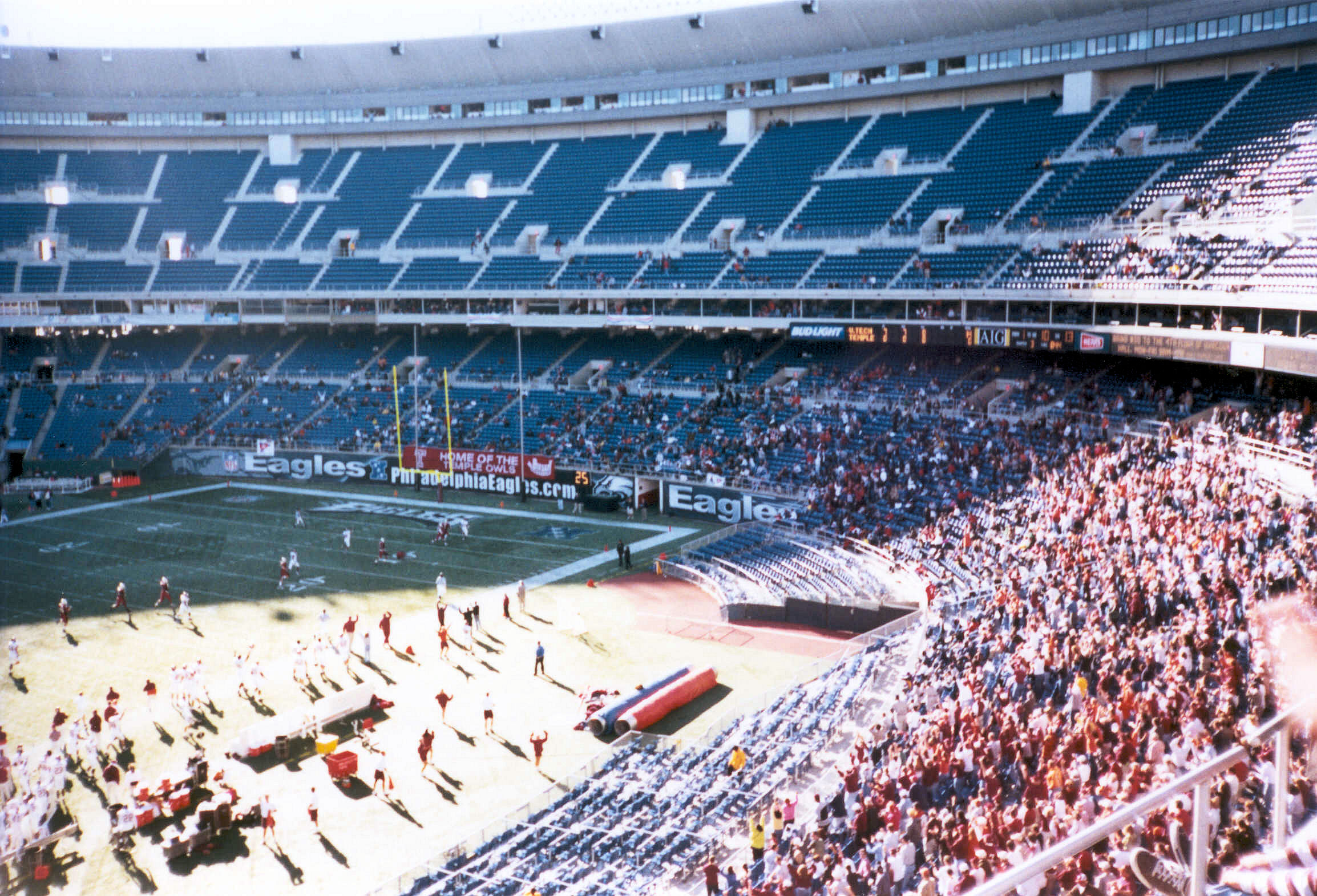
Estalishing Shot
A form of long-shot, an Establishing Shot usually begins a scene. They set the scene, showing the audience the setting of the forthcoming scene.

Over the Shoulder Shot
An Over the Shoulder shot frames the subject from behind a person who is looking at them. This shot establishes the position of each person and gives the impression of looking at the subject from another characters point of view. This shot is commonly used during dialogue scenes, alternating between different characters.

Point of View Shot
A Point of View Shot attempts to show, through the camera, what the character is looking at. This is another shot used by Alfred Hitchcock, popularised in his film Rear Window. This shot can be used to create suspense by allowing the audience to see what the character is seeing.
Angles
 The Bird's-Eye View
This angle shows a scene from directly overhead. It is a very unusual shot, putting the audience in an almost god-like position. It can be used for dramatic effect or to give the impression a character is looking down. This shot was also favoured by Hitchcock.
 High Angle
A high angled shot shows the character from above i.e. looking down on the character. It shows the character or object in question as being less important and powerful. It can, as seen in this picture, show the character's emotions as they look up at something e.g. this picture shows Abergost's facial expressions as he ascends the staircase in the famous scene from Psycho.
 Eye Level
Eye Level is the most common camera angle - the real world angle the audience is used to. A fairly neutral shot, it gives the impression that a character is observing the scene.
 Low Angle
This shot shows the character from below. It makes the character or object appear more powerful or dominant. It can also be used to accentuate the size of an object.
 Canted/Oblique Angle
This is when the camera is tilted to an unnatural angle i.e. not floor level, to show instability or imbalance - this is a popular shot for horror movie directors. It is also widely used in point of view shots.
Movement
Panning
A camera shot which moves across the screen horizontally. It often follows a moving object while the tripod remains still, keeping the shot at a fixed height. Pans can follow a moving object which is kept in the centre of the frame, establish a scene by showing a large area in one movement or create certain moods.
Tilting
This is similar to panning but the shot moves vertically as opposed to horizontally. This is a less used shot as it is a more unusual movement for humans than the panning shot.
Tracking
The camera is placed on a moving item (or vehicle for more high speed shots) and generally follows a moving character or object. This shot is most commonly used to follow characters as they walk, follow moving vehicles or to move the audiences attention to a different object or character.
Crane Shots
A crane is used to move the camera, moving it in a number of directions, such as diagonally or in swooping motions. This allows the director to move between shots i.e. from a long/establishing shot to closely tracking a character or object.
Aerial Shots
Similar to a crane shot, aerial shots are taken from a helicoptor. Helicoptors are not restricted by movement and so can move in any direction, keep up with anything and move at varying speeds. This is widely used at the start of scenes to establish setting and movement.
Zooming
Zooming gives the illusion of moving further away or closer to a character or object without moving the camera at all. This is a widely misused shot as the concept of zooming is unnatural to the human eye, more so depending on the speed of movement. It is useful as far as not needing to move the camera saving the production team a lot of time and trouble.
Hand Held Shots
Hand Held shots can either be fixed, to create a smoother movement, or natural. Hand Held cameras make the audience appear more involved in a scene providing them with a sense of realism.
Angles
 The Bird's-Eye View
 This angle shows a scene from directly overhead. It is a very unusual shot, putting the audience in an almost god-like position. It can be used for dramatic effect or to give the impression a character is looking down. This shot was also favoured by Hitchcock.

A high angled shot shows the character from above i.e. looking down on the character. It shows the character or object in question as being less important and powerful. It can, as seen in this picture, show the character's emotions as they look up at something e.g. this picture shows Abergost's facial expressions as he ascends the staircase in the famous scene from Psycho.

Eye Level is the most common camera angle - the real world angle the audience is used to. A fairly neutral shot, it gives the impression that a character is observing the scene.

This shot shows the character from below. It makes the character or object appear more powerful or dominant. It can also be used to accentuate the size of an object.

This is when the camera is tilted to an unnatural angle i.e. not floor level, to show instability or imbalance - this is a popular shot for horror movie directors. It is also widely used in point of view shots.
Movement
Panning
A camera shot which moves across the screen horizontally. It often follows a moving object while the tripod remains still, keeping the shot at a fixed height. Pans can follow a moving object which is kept in the centre of the frame, establish a scene by showing a large area in one movement or create certain moods.
Tilting
This is similar to panning but the shot moves vertically as opposed to horizontally. This is a less used shot as it is a more unusual movement for humans than the panning shot.
Tracking
The camera is placed on a moving item (or vehicle for more high speed shots) and generally follows a moving character or object. This shot is most commonly used to follow characters as they walk, follow moving vehicles or to move the audiences attention to a different object or character.
Crane Shots
A crane is used to move the camera, moving it in a number of directions, such as diagonally or in swooping motions. This allows the director to move between shots i.e. from a long/establishing shot to closely tracking a character or object.
Aerial Shots
Similar to a crane shot, aerial shots are taken from a helicoptor. Helicoptors are not restricted by movement and so can move in any direction, keep up with anything and move at varying speeds. This is widely used at the start of scenes to establish setting and movement.
Zooming
Zooming gives the illusion of moving further away or closer to a character or object without moving the camera at all. This is a widely misused shot as the concept of zooming is unnatural to the human eye, more so depending on the speed of movement. It is useful as far as not needing to move the camera saving the production team a lot of time and trouble.
Hand Held Shots
Hand Held shots can either be fixed, to create a smoother movement, or natural. Hand Held cameras make the audience appear more involved in a scene providing them with a sense of realism.
Subscribe to:
Comments (Atom)