This post aims to explain and define the most popular and commonly used camera shots in filmography. Camera shots and angles form the entire basis for film-making and shots used in the correct manner can create various effects and results.
Camera shots consist of three elements: framing, angle and movement.
Framing (Length)
 Extreme Close-Up
An extreme close-up generally magnifies beyond what the human eye would usually see i.e. focusing on a small part of the face without any background detail. Extreme close-ups are generally used for dramatic effect, for example, the Master of Suspense, Alfred Hitchcock, would use extreme close-ups, especially of eyes, to fill the screen with emotion.
 Close-Up
Close-ups, one of the most commonly used camera shots in film, tightly frame a person or object. Close-ups show a large amount of detail on the subject on which it focuses without showing the wider scene. They are commonly used to show characters emotions e.g. during dialogue scenes to show reactions.

Medium Shot
Medium or Mid Shots show the subject matter from around the waist up. They are good for showing expressions i.e. hand movements etc. that characters are using. Medium Shots can be used to show two or more characters speaking. Medium Shots also show more in the shot aside from the subject matter.

Long Shot
Long Shots generally show the entirety of a character or object and aims, to some extent, to show some surroundings. Long shots can also be used to show a number of people or objects while showing their surroundings.
This picture also shows a two-shot. A two-shot is a camera shot when there is two people in the shot.
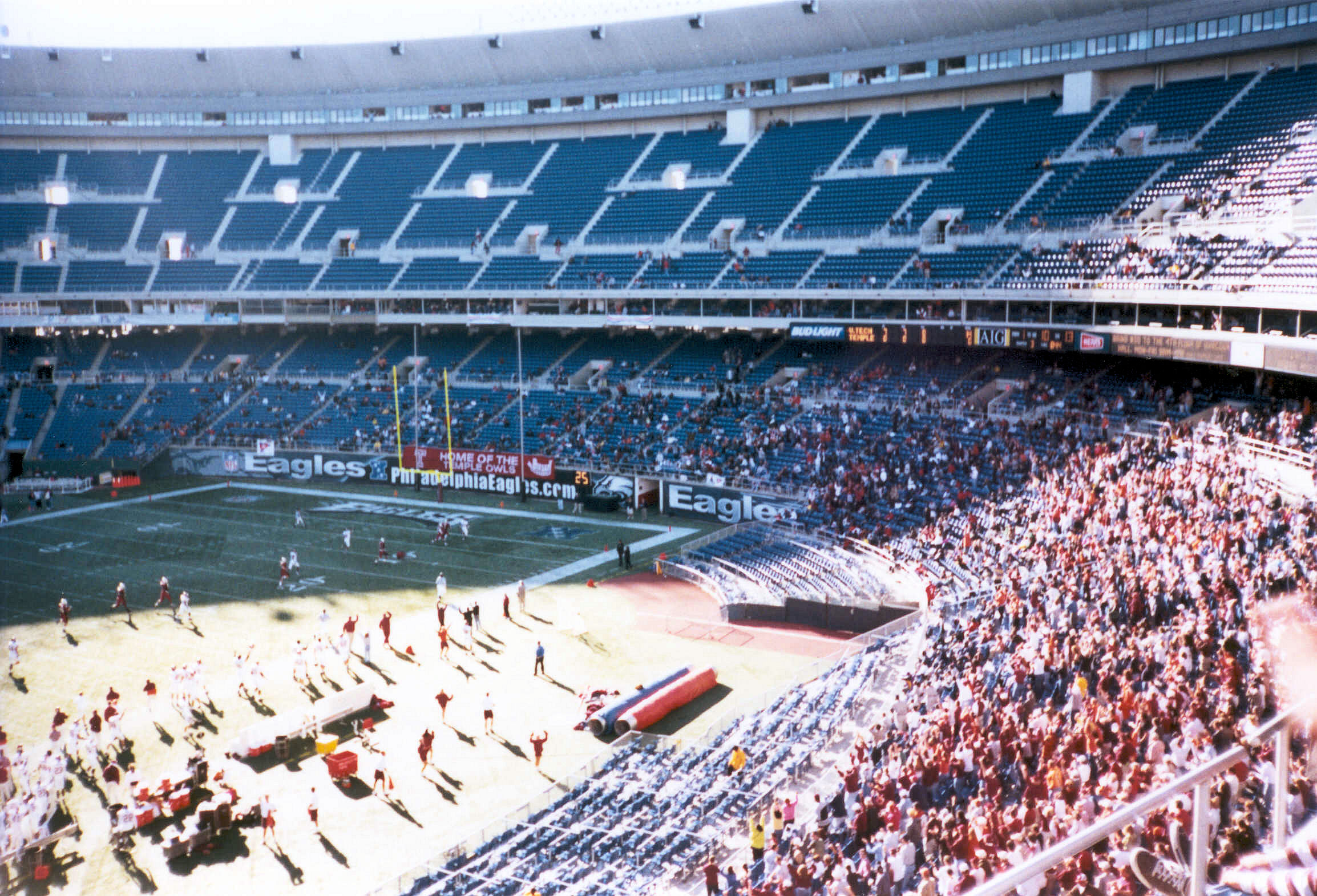
Estalishing Shot
A form of long-shot, an Establishing Shot usually begins a scene. They set the scene, showing the audience the setting of the forthcoming scene.

Over the Shoulder Shot
An Over the Shoulder shot frames the subject from behind a person who is looking at them. This shot establishes the position of each person and gives the impression of looking at the subject from another characters point of view. This shot is commonly used during dialogue scenes, alternating between different characters.

Point of View Shot
A Point of View Shot attempts to show, through the camera, what the character is looking at. This is another shot used by Alfred Hitchcock, popularised in his film Rear Window. This shot can be used to create suspense by allowing the audience to see what the character is seeing.
Angles
 The Bird's-Eye View
This angle shows a scene from directly overhead. It is a very unusual shot, putting the audience in an almost god-like position. It can be used for dramatic effect or to give the impression a character is looking down. This shot was also favoured by Hitchcock.
 High Angle
A high angled shot shows the character from above i.e. looking down on the character. It shows the character or object in question as being less important and powerful. It can, as seen in this picture, show the character's emotions as they look up at something e.g. this picture shows Abergost's facial expressions as he ascends the staircase in the famous scene from Psycho.
 Eye Level
Eye Level is the most common camera angle - the real world angle the audience is used to. A fairly neutral shot, it gives the impression that a character is observing the scene.
 Low Angle
This shot shows the character from below. It makes the character or object appear more powerful or dominant. It can also be used to accentuate the size of an object.
 Canted/Oblique Angle
This is when the camera is tilted to an unnatural angle i.e. not floor level, to show instability or imbalance - this is a popular shot for horror movie directors. It is also widely used in point of view shots.
Movement
Panning
A camera shot which moves across the screen horizontally. It often follows a moving object while the tripod remains still, keeping the shot at a fixed height. Pans can follow a moving object which is kept in the centre of the frame, establish a scene by showing a large area in one movement or create certain moods.
Tilting
This is similar to panning but the shot moves vertically as opposed to horizontally. This is a less used shot as it is a more unusual movement for humans than the panning shot.
Tracking
The camera is placed on a moving item (or vehicle for more high speed shots) and generally follows a moving character or object. This shot is most commonly used to follow characters as they walk, follow moving vehicles or to move the audiences attention to a different object or character.
Crane Shots
A crane is used to move the camera, moving it in a number of directions, such as diagonally or in swooping motions. This allows the director to move between shots i.e. from a long/establishing shot to closely tracking a character or object.
Aerial Shots
Similar to a crane shot, aerial shots are taken from a helicoptor. Helicoptors are not restricted by movement and so can move in any direction, keep up with anything and move at varying speeds. This is widely used at the start of scenes to establish setting and movement.
Zooming
Zooming gives the illusion of moving further away or closer to a character or object without moving the camera at all. This is a widely misused shot as the concept of zooming is unnatural to the human eye, more so depending on the speed of movement. It is useful as far as not needing to move the camera saving the production team a lot of time and trouble.
Hand Held Shots
Hand Held shots can either be fixed, to create a smoother movement, or natural. Hand Held cameras make the audience appear more involved in a scene providing them with a sense of realism.
Angles
 The Bird's-Eye View
 This angle shows a scene from directly overhead. It is a very unusual shot, putting the audience in an almost god-like position. It can be used for dramatic effect or to give the impression a character is looking down. This shot was also favoured by Hitchcock.

A high angled shot shows the character from above i.e. looking down on the character. It shows the character or object in question as being less important and powerful. It can, as seen in this picture, show the character's emotions as they look up at something e.g. this picture shows Abergost's facial expressions as he ascends the staircase in the famous scene from Psycho.

Eye Level is the most common camera angle - the real world angle the audience is used to. A fairly neutral shot, it gives the impression that a character is observing the scene.

This shot shows the character from below. It makes the character or object appear more powerful or dominant. It can also be used to accentuate the size of an object.

This is when the camera is tilted to an unnatural angle i.e. not floor level, to show instability or imbalance - this is a popular shot for horror movie directors. It is also widely used in point of view shots.
Movement
Panning
A camera shot which moves across the screen horizontally. It often follows a moving object while the tripod remains still, keeping the shot at a fixed height. Pans can follow a moving object which is kept in the centre of the frame, establish a scene by showing a large area in one movement or create certain moods.
Tilting
This is similar to panning but the shot moves vertically as opposed to horizontally. This is a less used shot as it is a more unusual movement for humans than the panning shot.
Tracking
The camera is placed on a moving item (or vehicle for more high speed shots) and generally follows a moving character or object. This shot is most commonly used to follow characters as they walk, follow moving vehicles or to move the audiences attention to a different object or character.
Crane Shots
A crane is used to move the camera, moving it in a number of directions, such as diagonally or in swooping motions. This allows the director to move between shots i.e. from a long/establishing shot to closely tracking a character or object.
Aerial Shots
Similar to a crane shot, aerial shots are taken from a helicoptor. Helicoptors are not restricted by movement and so can move in any direction, keep up with anything and move at varying speeds. This is widely used at the start of scenes to establish setting and movement.
Zooming
Zooming gives the illusion of moving further away or closer to a character or object without moving the camera at all. This is a widely misused shot as the concept of zooming is unnatural to the human eye, more so depending on the speed of movement. It is useful as far as not needing to move the camera saving the production team a lot of time and trouble.
Hand Held Shots
Hand Held shots can either be fixed, to create a smoother movement, or natural. Hand Held cameras make the audience appear more involved in a scene providing them with a sense of realism.

